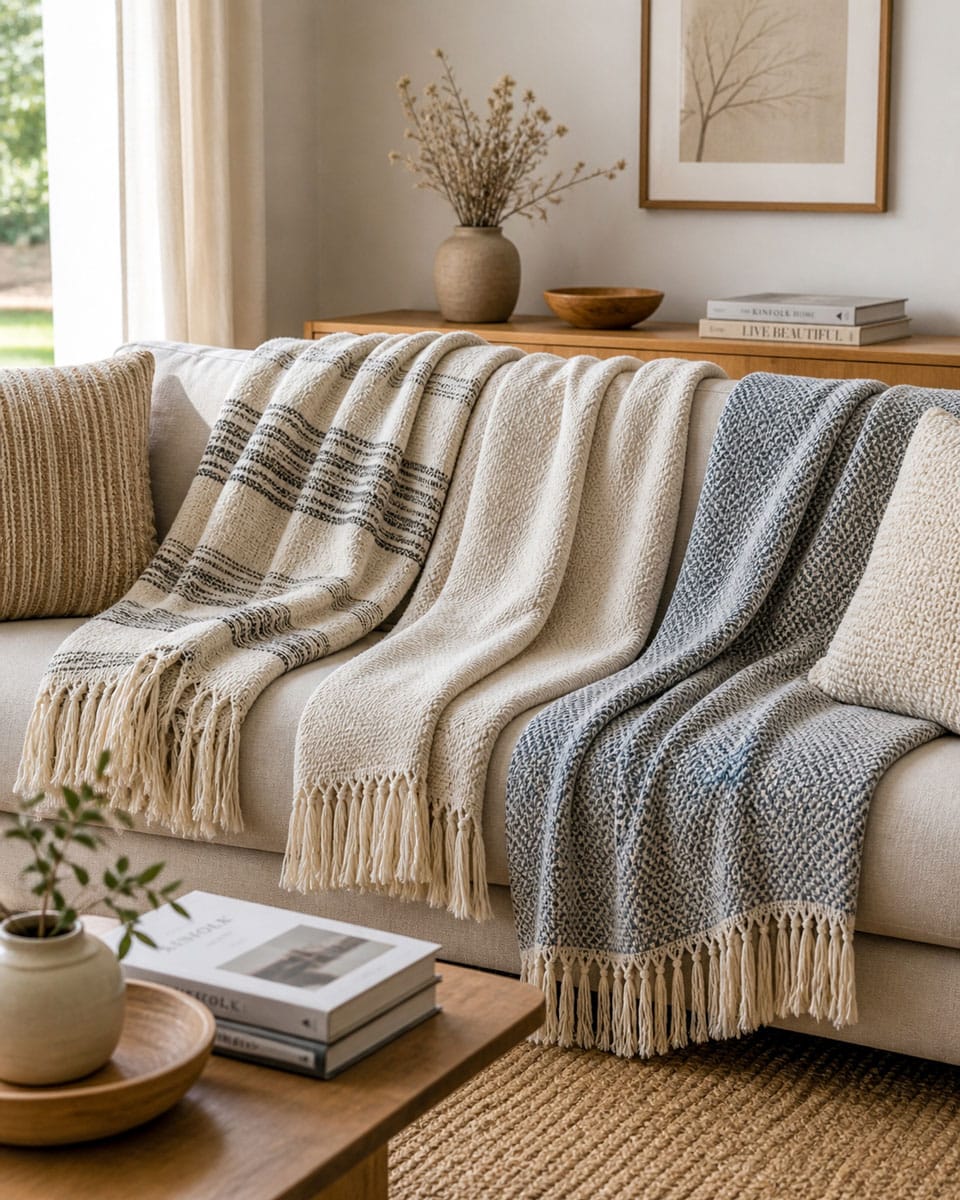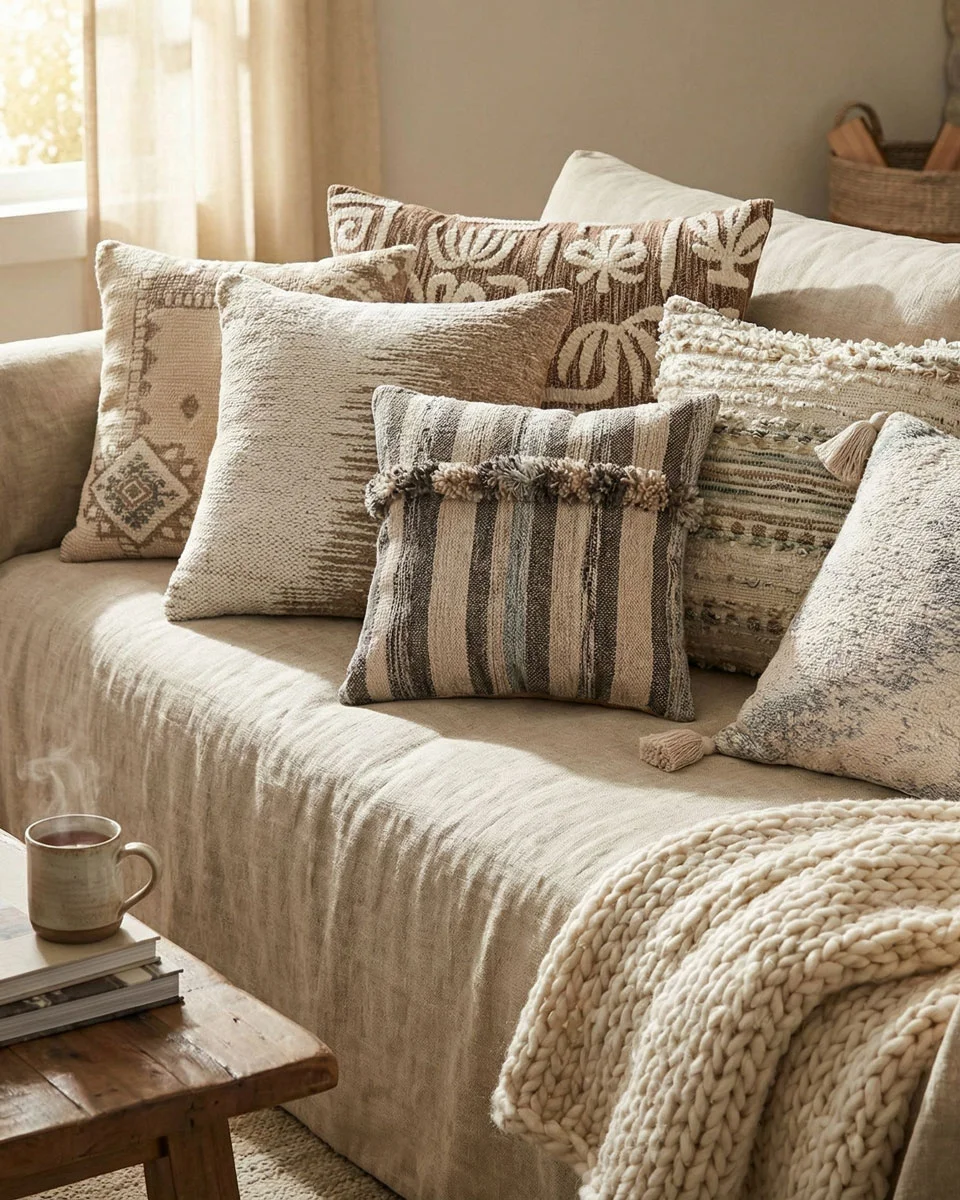
A significant portion of the home furnishings on the shelves of major retailers in the UK, Europe, Australia, and the United States carries the retailer’s own label. Behind those labels, in most cases, is a manufacturer in India.
Private label home furnishings manufacturing with Indian manufacturers is not a new phenomenon. It is a well-established, well-worn path that the world’s largest retailers have been walking for decades. The process is understood. The infrastructure exists. The challenge, for most buyers who are new to it, is knowing how it works and how to navigate it so that the product that arrives in your warehouse matches what you approved in the sample room.
This guide walks through the process from brief to delivery.
What Private Label Manufacturing Means in Practice
When a manufacturer produces a product for you under your own label, they are building to your specification rather than selling from their standard catalogue. The product carries your brand. The manufacturer’s name does not appear on it.
In practice, this means the manufacturer develops or modifies a product to your precise requirements. You sign off on the design, the materials, the construction, and the labelling. The manufacturer produces the agreed product, applies your label, and dispatches it to your nominated destination.
Private label is not the same as white label. White label typically means taking a standard, off-the-shelf product and applying your branding. Private label means building something to your brief. The distinction matters because the level of customisation available to you, and the level of control you have over the output, is significantly different.
What You Need to Prepare
A Clear Brief
A brief for a private label home furnishing product needs to specify the following.
Product category and dimensions. Exactly what you are making and in what size.
Materials. Fibre content, yarn weight, fabric construction, and any specific raw material requirements such as organic cotton or GRS-certified recycled polyester.
Construction. Weave structure, stitching method, filling specification, or other technical requirements that define how the product is built.
Finish. Brushed, fringe, hemmed, or other finishing treatments. Be specific about treatment on all edges and seams.
Packaging. Retail-ready packaging, polybag with header card, plain pack, or custom-printed box. Include all barcode and labelling requirements.
Labelling. Fibre content label, care instruction label, country of origin, size, and any market-specific compliance requirements. Different markets have different labelling rules. Know yours before you brief your manufacturer.
Quality standards. Any specific test standards your market or retailer programme requires, such as pilling resistance, colourfastness, or flammability standards relevant to your market.
The more specific the brief, the fewer revision rounds you will go through before you have an approved sample.
Artwork and Branding Assets
If your product requires custom labels, printed packaging, or woven brand labels, you will need to supply these in print-ready format. Your manufacturer needs print-ready artwork, not a JPG pulled from your website.
If you do not have a label supplier, most established manufacturers can organise label production on your behalf. Establish this early in the process so it does not create a delay later.
A Compliance Checklist
Know what your market requires before you start. UK, European, Australian, and US retailers each have specific requirements for product safety, labelling, and chemical compliance. If your retailer runs an own-brand programme, they will have a vendor compliance manual. Read it before you brief your manufacturer.
A manufacturer who exports to your market regularly will know most of what is required. They are not a substitute for your own compliance knowledge, but they are a useful sounding board.
The Development Process
Brief Submission and Feasibility
Submit your brief. A good manufacturer will come back within 48 hours with confirmation that they can produce to your specification, any clarifying questions about technical requirements, and a preliminary price indication.
At this stage, ask for the manufacturer’s sample terms: turnaround time, sample charge, and how revisions are handled. Most manufacturers charge a nominal development sample fee, which is credited against the production order once it is placed.
Sample Development
Standard sample development for a woven or knitted throw runs 15 to 20 working days. Complex constructions or unusual materials take longer. Plan for this in your development calendar.
Your first sample will not be perfect. This is normal. Two to three rounds of revision is standard before a sample is approved for production. Give specific, technical feedback at each stage. “The fringe should be 6 cm, not 10 cm” is what your manufacturer needs. “The fringe does not look right” is not.
When you approve a sample, treat it as a binding reference point. Both you and your manufacturer should retain physical counter-samples. The counter-sample is what QC will be measured against during bulk production.
Pre-Production Review
Before the production order begins, confirm: the approved sample is locked, the materials have been sourced to specification, the production schedule is agreed and in writing, and your labelling and packaging materials have been approved and are ready.
Skipping the pre-production review is one of the most common reasons private label orders go wrong. Errors found at this stage cost next to nothing to fix. Errors found after production has run are expensive and time-consuming to resolve.
Production and QC
A manufacturer with a rigorous QC process will inspect incoming raw materials against your specification before they enter production. They will monitor production mid-run. They will conduct a pre-shipment inspection against the approved counter-sample before goods are packed.
Ask your manufacturer to document each of these stages and share the QC reports with you. Most established exporters do this as standard practice for major buyer relationships.
If your order is large enough, consider appointing an independent third-party inspector to conduct a pre-shipment inspection on your behalf. This adds a modest cost but provides an independent check before goods leave the factory. The cost is almost always worth it on a first order with a new manufacturer.
Labelling and Packaging at the Factory
Private label products are labelled and packaged at the factory before dispatch. This means your manufacturer receives and applies your labels, swing tags, barcode stickers, and packaging materials.
This process needs to be managed carefully. Brief your manufacturer in writing on the labelling sequence, the packaging method, and any retail-specific requirements such as hanger-ready packaging or specific shelf dimensions.
If your retailer conducts pre-shipment audits, ensure your manufacturer knows this well in advance and has the documentation ready.
What to Watch Out For
Sample Approval Does Not Guarantee Bulk Consistency
The most common complaint in private label manufacturing is that the bulk order does not match the sample. The primary causes are raw material substitution when the original specification is unavailable, absence of mid-production QC, and failure to compare against the counter-sample during final inspection.
Work with a manufacturer who has a documented QC process that references the approved sample at every stage of production. Ask to see a QC checklist before you place your order.
Labelling Errors Are More Common Than They Should Be
A mislabelled product is a compliance problem. Fibre content errors, incorrect care symbols, and missing market-specific information are among the most common issues on private label orders. Provide your labelling brief in writing, in detail, and ask for a pre-production label sign-off before labels go on the product.
Lead Times Are Non-Negotiable Once Production Starts
Once your order is in production, the timeline is largely fixed. If your delivery date needs to shift, communicate this as early as possible. Holding finished goods in a factory has costs, and late changes to shipment dates can affect your position in the manufacturer’s logistics queue.
What a Good Private Label Manufacturing Partnership Looks Like
The buyers who have the best private label experiences in India are the ones who treat the manufacturer as a partner rather than a vendor. That means sharing your brief in full, giving clear and specific feedback, paying your sample fees without negotiation, and building realistic timelines.
A manufacturer who is treated as a partner will tell you when something in your brief is technically difficult, suggest alternatives that achieve the same outcome more efficiently, flag potential problems before they become expensive, and respond quickly when things need to move fast.
A manufacturer who is treated purely as a cost centre will do the minimum and move on.
Starting Your Private Label Programme
The first step is a conversation. Share your brief, your volume expectations, your market requirements, and your timeline. A good manufacturer will tell you honestly what they can and cannot do.
We have developed private label programmes for buyers in Australia, the UK, Europe, and the United States across six home furnishing categories: rugs & carpets, bathmats, cushions & throws, poufs & stools, storage baskets, and tote bags. We understand what major retailers require and we have the certifications, the process, and the capacity to deliver consistently across both trial orders and full seasonal programmes.
If you are looking for a manufacturing partner for your private label home furnishings range, start the conversation at sheentexindia.com.